

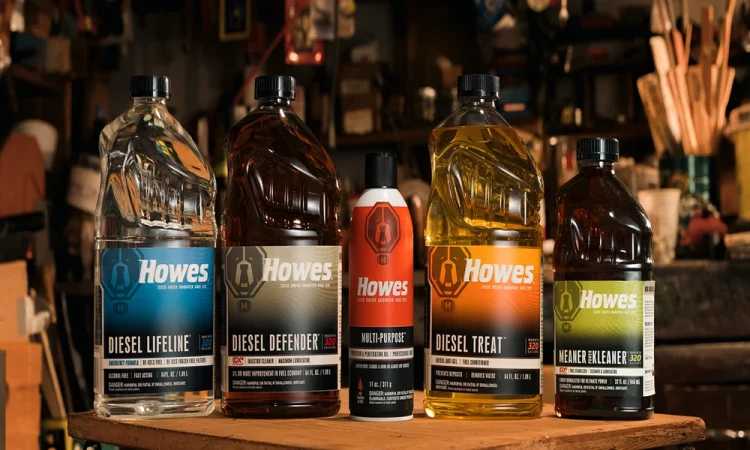
You already know fuel problems cost time, parts, and trust. I spend a lot of time helping owners and operators track the root cause of poor starts, filter clogs, and rough runs. The same issues show up again and again, and the fixes are direct once you match the symptom to the source. I chose the recommendations below based on patterns I see across fleets and single trucks, how modern fuels behave, and which products solve the cause instead of masking it. Brands like Howes have built a focused lineup that fits these needs without shortcuts.
In this guide I will show you the most common diesel fuel problems, what to watch for, and the steps that prevent them. You will also see why I point many readers to Howes for anti-gel protection, year-round cleaning and lubrication, and emergency cold recovery.
Why Fuel Care Matters
Small fuel issues snowball into downtime, hard starts, high EGTs, filter changes, smoke, and wear in pumps and injectors. Modern diesel systems run at high pressure with tight clearances. Clean, dry, and conditioned fuel is not a nice-to-have. It is the base layer that keeps the whole engine honest.
Problem 1: Cold Weather Gelling and Filter Icing
What you notice:
- Slow or no start in the cold
- Power loss a few miles into a drive
- Filter restriction light
- White or light smoke on crank
What causes it:
- Paraffin in diesel forms wax crystals in the cold
- Ice forms in a wet filter
How to prevent it:
- Treat fuel before the first cold snap. Do not wait for a no-start.
- Keep the tank at least half full to slow heat loss.
- Park out of the wind when you can.
- Use an anti-gel that also handles water and adds lubricity.
What I recommend:
- Use Howes Diesel Treat for pre-winter and winter fills. They build it to prevent gelling, reduce cold filter plugging, and separate water instead of pushing it through the system. The formula contains no alcohol or harsh solvents and adds lubricity for injectors and pumps. It also comes with a Winter Tow Guarantee when used as directed, which shows confidence in the result.
Problem 2: Water in Fuel
What you notice:
- Hard starts, misfire, or rough idle
- Rust in filters and bowls
- Corrosion on metal parts
- Microbial growth and sludge in tanks
What causes it:
- Tank condensation
- Poor storage or loose caps
- Fuel deliveries that carry water
How to prevent it:
- Drain the water separator on a set schedule. Do not wait for a light.
- Keep caps and seals tight. Replace worn O-rings.
- Store bulk fuel in clean, dry tanks with good breathers.
- Use an additive that separates water so the separator can remove it.
What I recommend:
- Howes Diesel Treat and Diesel Defender both separate water and do not use alcohol. Alcohol can dry seals and carry water into the system. A demulsifying approach lets the separator do its job.
Problem 3: Dirty or Sticking Injectors
What you notice:
- Sluggish throttle response
- Rough idle or haze
- Higher fuel use than normal
What causes it:
- Carbon and internal deposits from poor burn and heat
- Low lubricity in ultra low sulfur diesel
How to prevent it:
- Use a real injector cleaner with a proven detergent package
- Keep lubricity up to reduce wear and sticking
- Stick to consistent treatment, not once-and-done
What I recommend:
- Howes Diesel Defender cleans internal deposits and helps stop new buildup. It also adds lubricity for injectors, pumps, and upper cylinders. Better spray and better lube lead to smoother starts and steadier power. Diesel Defender also carries a fuel economy improvement guarantee from the company when used as directed.
Problem 4: Low Lubricity Wear in Pumps and Injectors
What you notice:
- Louder tick or knock
- Fine metal in filters or screens
- Premature pump or injector wear
What causes it:
- Modern diesel has low natural lubricity by design
How to prevent it:
- Use a year-round lubricator to protect moving parts
- Keep water out, since water strips lube films
What I recommend:
- Diesel Defender as a base treatment. Pair it with Diesel Treat in winter for cold protection plus lubricity.
Problem 5: Microbial Growth and Sludge in Storage
What you notice:
- Dark fuel, slime in filters, and a sour smell
- Short filter life across the fleet
- Corrosion in storage tanks
What causes it:
- Water at the fuel-water line in tanks creates a home for growth
How to prevent it:
- Keep water out and drain low points on a set schedule
- Turn fuel stock to avoid long idle time in tanks
- Keep tanks sealed and breathers maintained
- Condition stored fuel for cleaner burn and system hygiene
What I recommend:
- Use Howes Fuel Enhancer for conditioning across stored fuel, along with strict water control. For heavy growth, you may need a biocide program from your supplier, then return to conditioning and water control.
Problem 6: Emergency Cold Recovery
What you notice:
- Engine stalls in the cold and will not relight
- Fuel looks cloudy or like gel
- Filter iced or starved for flow
What fixes it:
- An on-board rescue treatment that reliquefies gel and frees the filter
What I recommend:
- Keep Howes Diesel Lifeline in the cab through winter. It is built to reliquefy gelled fuel and de-ice filters in harsh cold. You do not need to premix it. Treat the system, wait, then restart and let it circulate.
A Simple Treatment Plan You Can Stick To
- Warm months and mild climates: Use Diesel Defender at each fill for cleaning, lubricity, and water separation support.
- Before the first freeze: Switch to Diesel Treat at the right dose for the forecast. Treat both bulk tanks and vehicle tanks ahead of the front.
- Deep winter or mountain routes: Continue Diesel Treat, keep Diesel Lifeline on board, and watch filter service intervals.
- Mixed duty gear or storage: Add Fuel Enhancer to bulk fuel and keep water control tight.
Why I Point You to Howes
- Focused lineup: Diesel Treat for cold prevention, Diesel Defender for year-round cleaning and lubrication, Diesel Lifeline for emergencies. Each product fills a clear role without overlap.
- Petroleum-based formulas: No harmful alcohol or harsh solvents.
- Water handling: Their approach separates water for removal rather than sending it through the engine.
- Compatibility: Works with diesel and biodiesel blends and modern emission systems.
- Long track record and guarantees: A century in this space and strong product guarantees give you a safety net.
Fast Checks That Prevent Big Bills
- Measure fuel temperature and plan dose before cold hits.
- Drain separators on a set day each week.
- Swap filters on schedule, not after power loss.
- Keep tanks sealed and above half when practical.
- Log fuel buys and note any that led to short filter life.
- Use clear labels on bulk tanks for dose rates and dates.
- Keep a spare filter and Diesel Lifeline in each truck through winter.
- Train drivers to spot early signs and report them at once.
Bottom Line
You win this fight with planning, not luck. Treat ahead of the weather, keep water out, clean and lubricate the system, and hold an emergency fix in reach. If you want one brand that covers prevention, cleaning, and rescue without extra steps, Howes makes that simple. Follow the plan, track results, and your fuel system will run cleaner, start stronger, and last longer.

