


Changing expectations in modern fleet presentation
Transport fleets are no longer viewed purely as functional assets. Over the past few years, companies have started treating vehicle appearance as part of their overall brand identity. This shift has led to a growing demand for cleaner, more refined exterior finishes that go beyond basic utility. Polished metal surfaces have become a preferred choice because they balance durability with a professional, high-end look.
Why polished finishes are gaining popularity
Polished metal finishes are valued for their ability to reflect light, resist corrosion, and maintain a clean appearance over time. Unlike painted surfaces that may fade or chip, polished finishes retain their shine with minimal upkeep. This makes them especially suitable for long-haul transport vehicles that operate in varied weather and road conditions.
Influence of branding and visual consistency
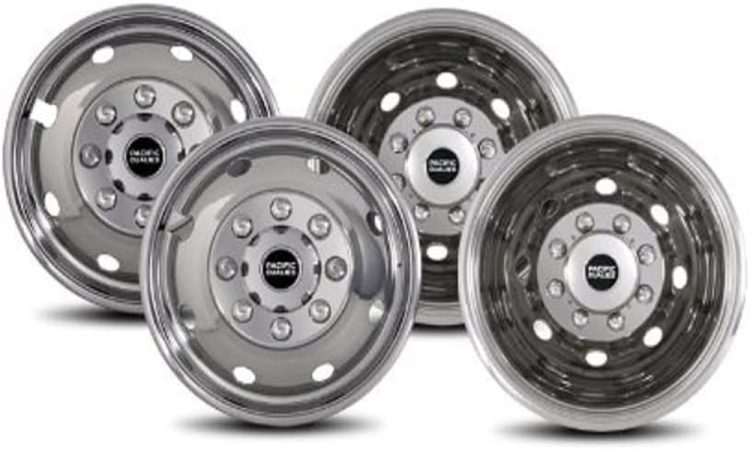
Fleet operators are increasingly focused on creating a uniform look across all vehicles. A consistent finish helps reinforce brand identity and improves recognition on the road. In many commercial fleets, STAINLESS STEEL WHEEL SIMULATORS are being adopted as part of this trend because they provide a polished, reflective surface that enhances overall vehicle aesthetics while maintaining durability in demanding environments.
Functional benefits beyond appearance
While the visual appeal is a major factor, polished metal finishes also offer practical advantages. They are easier to clean compared to rough or matte surfaces, as dirt and grime are less likely to adhere strongly. This reduces maintenance time and helps fleets maintain a cleaner appearance with less effort. Additionally, corrosion resistance plays a key role in extending component lifespan.
Adoption across logistics and transport industries
The logistics and transport sector has been one of the fastest adopters of polished finishes. Companies operating large fleets recognize that appearance can influence customer perception. Vehicles that look well-maintained and modern tend to create a stronger impression, especially when they are frequently visible in urban and industrial areas.
Technology improvements driving the trend
Advancements in material processing have made polished finishes more durable and cost-effective. Modern manufacturing techniques allow for better surface treatment, resulting in longer-lasting shine and improved resistance to environmental damage. This has made polished finishes more accessible to both large and mid-sized fleet operators.
Maintenance considerations for long-term use
Although polished metal finishes are durable, they still require basic maintenance to retain their appearance. Regular cleaning and occasional polishing help preserve their reflective quality. Fleet maintenance teams often include these steps in routine servicing schedules to ensure consistent visual standards across all vehicles.
The future of fleet customization
The growing emphasis on visual identity suggests that polished finishes will continue to play a significant role in fleet customization. As competition increases in the transport sector, companies are likely to invest more in exterior enhancements that combine durability with strong visual impact.