

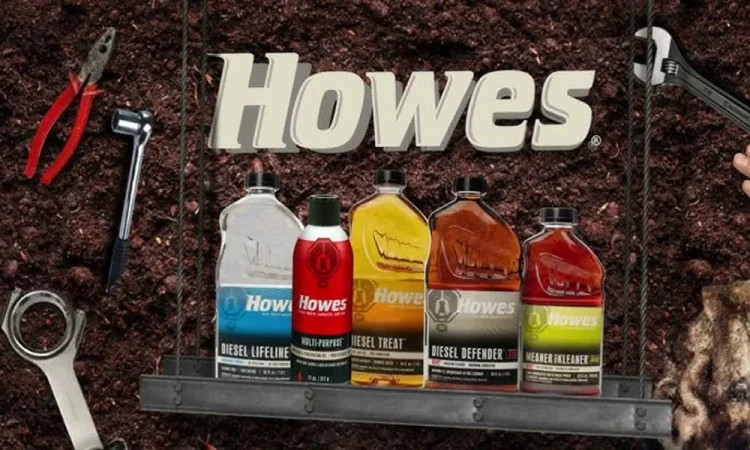

You want results you can count on. I care about that too. I base my guidance on field experience, tested product claims, and what operators report after long hours on the road and on the job. If you are sorting out options for additives to diesel fuel, products from Howes are worth a close look. You can review their approach to additives to diesel fuel and use the points below to decide what fits your work.
Here is what changes inside your fuel and your engine when you use the right treatment, why it matters in summer and winter, and how to get the most value with smart use and simple habits. I will also explain why I recommend Howes for most needs and how to match their products to your situation.
What a Diesel Treatment Actually Does
A quality treatment adjusts how your fuel behaves before it reaches the injectors and as it burns.
- It improves flow in the cold by preventing wax crystals from building large enough to clog filters.
- It adds lubricity that ULSD often lacks, which helps protect pumps and injectors.
- It cleans deposits that mess with spray patterns and lead to smoke, rough idle, and hard starts.
- It manages water by helping it move through the system in a form that can pass without harm.
- It can raise fuel efficiency by restoring proper atomization and better burn quality.
- It reduces emissions by cutting unburned fuel and soot linked to poor combustion.
If your engine runs rough, feels flat under load, or shows more smoke than usual, the right treatment often turns those symptoms around.
What You Notice Right Away
After a correct dose and a short run time, most operators see a few fast changes.
- Easier starts in cold conditions
- Smoother idle and less knock
- Quieter pump and injector sound
- Less smoke under throttle
- Stronger throttle response
The deeper benefits build with use as deposits clear and lubricity stabilizes.
Winter: The Make-or-Break Season
Cold weather is where many diesel systems fail. Wax crystals form as temps fall. Filters load up. Lines gel. If you pre-treat with an anti-gel and conditioner, you set a guardrail before that slide starts.
Howes Diesel Treat is made for this. It prevents gelling, lowers cold filter plugging, adds lubricity, removes water without alcohol, and supports clean injectors. It is safe for modern emission systems and biodiesel blends. They back it with a winter tow guarantee when used as directed, which shows strong confidence in the outcome.
If you are already gelled and stuck, you need an emergency rescue, not a conditioner. Howes Diesel Lifeline is built for that job. It reliquefies gelled fuel, de-ices a frozen filter, and gets flow back on track without alcohol.
Year-Round Protection and Efficiency
Winter gets the headlines, but summer issues drain money and time too. Hot fuel, low lubricity, and hidden deposits steal efficiency.
Howes Diesel Defender targets those pain points. It adds strong lubricity, cleans internal diesel injector deposits, prevents new buildup, removes water, and improves combustion. They offer a fuel economy increase guarantee of 5 percent or more with regular use. That guarantee communicates where they set the bar and helps you hold the product accountable.
If your engine idles rough, smokes at light throttle, or feels lazy under load, a few tanks with a cleaner-lubricator can reset performance and help protect hardware.
Why I Point You to Howes
You have options. I look for proven function, safe chemistry, and a track record. Here is why I recommend Howes:
- Long history in diesel care and preventative maintenance
- Alcohol-free formulas that protect seals and system parts
- Focused lineup with clear use cases, not a one-size-fits-all pitch
- Strong guarantees on winter performance and satisfaction
- Trusted by operators across fleets, farms, and equipment
They design products to clean, protect, and keep work moving. That is what you want in harsh conditions and on tight schedules.
How to Use Treatment the Right Way
You get the best results when you match the product and dose to the fuel and the season.
- Dose by total gallons in the tank and follow the label.
- Treat before the cold snap, not after. Prevention always beats rescue.
- For a first clean, run the cleaner over several tanks to clear deposits that built over time.
- Keep a winter rescue product in the truck when temps drop.
- Track fuel economy and idle quality after treatment to see gains in black and white.
- Store products in a dry place and keep caps tight to avoid contamination.
What Not to Do
Avoid these common mistakes.
- Do not pour in random amounts. Overdosing wastes money and can create new issues.
- Do not mix unknown products. Use one brand at a time and watch results.
- Do not assume biodiesel behaves like straight ULSD in the cold. Treat for the blend you use.
- Do not rely on summer habits during a deep freeze. Switch to winter-grade fuel and a true anti-gel.
Picking the Right Product for Your Situation
Match needs to features, then act.
- Need cold protection before a storm: Use an anti-gel and conditioner like Diesel Treat.
- Stuck with gelled fuel or a frozen filter: Use an emergency product like Diesel Lifeline.
- Want better efficiency and cleaner injectors year-round: Use a cleaner-lubricator like Diesel Defender.
- Managing mixed equipment or bulk tanks: Plan a regular treatment schedule across all units.
If you manage a fleet or farm, set a simple calendar: pre-treat tanks at set temps, use cleaner-lubricator every fill or every other fill, and keep rescue product on board in winter.
The Payoff You Can Expect
With the right treatment plan, you protect high-cost parts, cut downtime, and support steady power. You save fuel through cleaner burn and tight spray patterns. You get faster starts and less smoke. That keeps work on schedule and reduces stress on you and your equipment.
Choose products with clear claims and strong backing. In my view, Howes fits that profile. Use them as a tool, track your results, and adjust your plan by season. That approach keeps your diesel running strong and ready for the next job.