

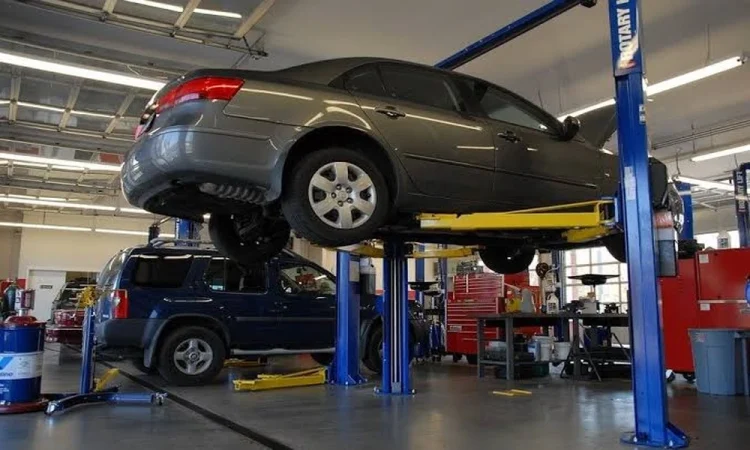

Sometimes, older hoses appear healthy while hidden internal damage continues developing. The outer surface may look smooth despite hardening beneath the visible layer. Now, understanding engine age helps explain why hose maintenance becomes more important. Proper attention can reduce leaks and protect surrounding engine components from damage. A trusted Auto repair in Salem, OR Service can identify developing problems before failure occurs.
Heat Gradually Changes Hose Materials
High temperatures can accelerate surface cracking around bends and connection points. The problem often becomes worse when engine compartments remain extremely hot after driving. Older engines may produce additional heat because internal efficiency can gradually decline. Cooling problems can further increase temperatures around hoses and nearby engine components. Therefore, engine age and thermal exposure often develop together as wear factors. Careful inspection helps reveal whether a hose still retains sufficient flexibility.
Pressure Changes Increase With Engine Wear
Engine age can influence hose wear through changing pressure within various systems. Cooling hoses regularly experience pressure changes as coolant temperatures rise during operation. Fuel hoses may also experience continuous pressure while transporting fuel toward combustion components. Vacuum hoses face different stress because they must maintain consistent airflow control. Older engines can develop pressure irregularities because components gradually lose their original efficiency.
So, hoses may experience stress beyond what their original design regularly encountered. Repeated pressure cycles can weaken rubber structures without creating immediate visible damage. Small weaknesses can eventually become cracks that allow fluids or air to escape. A professional inspection from Brock Automotive can detect these developing concerns during maintenance. Timely attention can prevent minor hose deterioration from becoming a larger repair.
Engine Fluids Can Accelerate Hose Deterioration
The protective properties within rubber materials can gradually decline under repeated exposure. But, fluid contamination does not always create immediately noticeable symptoms. A hose may continue functioning while its internal structure becomes progressively weaker. Regular fluid maintenance therefore supports longer hose service life within older engines. Brock Automotive can inspect hose condition while checking related fluids and connection points. This approach helps identify whether fluid exposure has contributed to visible deterioration.
Maintenance Becomes More Important With Engine Age
Preventive inspection becomes a practical way to reduce unexpected roadside failures. Replacing a weakened hose can also protect nearby components from escaping fluids. A professional technician can evaluate clamps, connections, flexibility, cracking, swelling, and surface condition. Brock Automotive provides an opportunity to address hose concerns before serious engine disruption develops.